


NephrologyNo Comments

The Allure of High-Stakes Gambling
High-stakes gambling captivates many individuals, drawing them into the exhilarating world of casinos. The thrill that accompanies placing risky bets often stems from a complex blend of psychological factors. One significant aspect is the concept of thrill-seeking behavior, where individuals are motivated by the excitement and adrenaline that accompany high-risk scenarios. This drive to seek excitement can often override rational decision-making, pushing gamblers to take bets that could lead to significant losses. For those interested in exploring their options, engaging with crypto bookmakers can provide a unique avenue for betting.
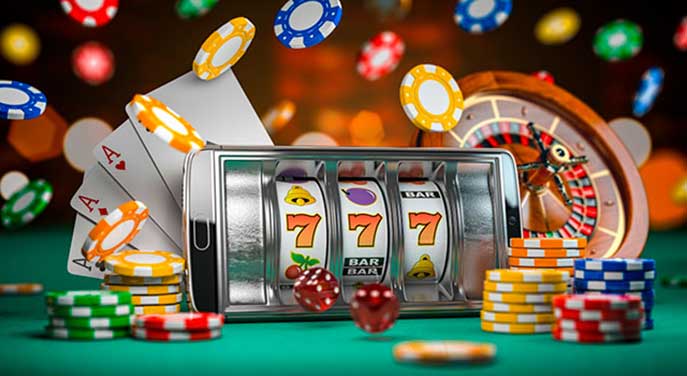
Additionally, the excitement of high-stakes gambling can provide an escape from everyday life. Many players find that immersing themselves in the casino environment offers a temporary relief from stress and routine. The bright lights, sounds, and atmosphere create a dynamic setting that enhances the emotional experience of gambling, making it easy for individuals to become engrossed in the action, often overlooking the potential negative outcomes of their bets.
The Role of Cognitive Biases
Cognitive biases play a crucial role in shaping gamblers’ decision-making processes in casinos. One of the most common biases is the illusion of control, where gamblers believe they can influence the outcome of a game despite the inherent randomness. This misconception can lead to risky betting behaviors, as players may feel overconfident about their ability to win. This belief is particularly prevalent in games of chance, such as roulette and slot machines, where the outcomes are entirely random.
Another important bias is the availability heuristic, which affects how gamblers assess risk. Players may recall their previous wins more vividly than their losses, creating a skewed perception of their chances of success. This can lead to a heightened belief that they are due for a win after a losing streak, prompting them to make riskier bets in hopes of recovering their losses. Understanding these cognitive biases is essential for recognizing why people often engage in high-risk gambling behaviors.
The Influence of Social Dynamics
Social dynamics significantly impact gambling behaviors, particularly in casino settings. The presence of other players can create a sense of community and shared excitement that encourages risk-taking. When individuals observe others winning large sums of money, they may feel compelled to increase their bets in hopes of replicating that success. This social comparison can intensify the desire to take risks, as individuals may want to prove their own gambling prowess.
Moreover, the casino environment is designed to foster social interaction, further influencing players’ behaviors. The encouragement from friends or even strangers can amplify the thrill of placing risky bets. On the flip side, the fear of missing out on potential winnings can also drive players to take chances they might otherwise avoid, highlighting the interplay between social influence and individual decision-making in gambling.
The Emotional Rollercoaster of Gambling
The experience of gambling is often characterized by a tumultuous emotional journey. Gamblers frequently oscillate between hope, excitement, despair, and euphoria, which can significantly influence their betting behavior. The highs of winning can create euphoric feelings that reinforce the desire to take more risks in pursuit of additional wins. Conversely, the lows associated with losses can lead to chasing behaviors, where players bet more in an attempt to recoup their losses, often increasing their risk exposure.
This emotional aspect of gambling can lead to a cycle of behavior that is hard to break. The highs and lows create a compelling feedback loop, where the thrill of winning momentarily overshadows the potential consequences of reckless behavior. Consequently, understanding the emotional rollercoaster that accompanies gambling can help individuals recognize the psychological traps they may fall into, allowing for more mindful decision-making in gambling scenarios.

Ensuring Safe Gambling Practices
As casinos continue to attract individuals seeking thrills, it is crucial to promote awareness about safe gambling practices. Platforms like Speedetab.com prioritize user safety by ensuring secure transactions and promoting responsible gaming. By providing a safe environment for users, they help mitigate some of the risks associated with high-stakes gambling.
Encouraging responsible gambling includes promoting self-awareness and emphasizing the importance of setting limits on betting activities. Educating gamblers about their psychological tendencies can also be beneficial in helping them make informed choices. Ultimately, by fostering a culture of safety, online platforms can empower individuals to enjoy the excitement of gambling while minimizing the risks associated with high-stakes bets.
Comment closed!